
Held from June 30 to July 2 at the International Institute of Finance, the 2nd Frontiers in Finance Conference 2026 gathered more than one hundred distinguished experts and young researchers from world-class overseas institutions including Nanyang Technological University, the University of Hong Kong and the University of Chicago, as well as leading domestic universities such as Peking University, Tsinghua University, Zhejiang University and Harbin Institute of Technology. Participants carried out in-depth academic exchanges on cutting-edge financial topics covering digital finance, asset pricing, corporate finance, capital markets and technological innovation. Drawing on interdisciplinary strengths in mathematics, they shared theoretical innovations and localized practical paths amid profound shifts in global finance.

Professor Chenglong Shen, delivered opening remarks and extended a warm welcome to all domestic and international scholars and industry practitioners traveling from afar. He pointed out that finance constitutes the lifeblood of the national economy and bears on the overall advancement of China’s modernization drive. Amid accelerated global changes, artificial intelligence, big data and computational science are reshaping financial markets, regulatory frameworks and academic research paradigms. Finance has evolved into a core disciplinary tool for interpreting technological transformation, industrial upgrading, financial security and global governance.

Professor Qiang Ye, Dean of the International Institute of Finance, then presided over the opening ceremony and delivered a speech. He noted that the inaugural Frontiers in Finance Conference held in 2025 built a high-quality academic platform connecting scholars at home and abroad, yielding numerous high-quality research outcomes and earning wide recognition from academia and industry. Rooted in the university’s solid strengths in science and engineering, the International Institute of Finance has developed a distinctive interdisciplinary finance system that links domestic and global academia. Riding the wave of AI transformation, it carries out interdisciplinary research covering digital finance and quantitative risk control, and builds a seamless channel for translating academic findings into industrial practice.
Professor Ye pointed out that the new technological revolution has reshaped knowledge production models and disciplinary boundaries within finance. Financial research in the new era must balance theoretical rigor with real-world relevance, actively adopt new tools such as data, algorithms and artificial intelligence, and advance in-depth integration between finance, statistics, computer science and complex systems. Committed to delivering high-standard, open, professional and well-organized conferences, the event serves not only as a stage for presenting cutting-edge research results but also an exchange arena to spark original ideas and advance methodological innovations. Multiple parallel sessions were arranged to offer junior scholars and PhD students opportunities for face-to-face communication with world-leading academics. Participants are encouraged to break away from traditional research frameworks, explore brand-new research paradigms tailored to the AI era, and grow into the backbone of disciplinary innovation. He called on all attendees to engage in in-depth discussions and exchange insights so as to bring fresh perspectives to global research on digital finance.

Professor Henry Cao, Conference Chair from Cheung Kong Graduate School of Business (CKGSB), delivered an address. He noted that he would keep supporting the faculty’s international exchanges, academic cooperation and talent cultivation. Professor Cao emphasized that a vibrant academic conference lies in inspiring new research questions and establishing new collaborative ties, and he expected this conference to unite global academic forces and inject sustained momentum into the long-term development of finance research in China.

After the opening ceremony, two keynote sessions were held, moderated respectively by Professor Jiaquan Yao and Associate Professor Guanhao Feng (City University of Hong Kong). Distinguished keynote speakers included Professor Jianjun Miao (Zhejiang University), Professor Simba Chang (Nanyang Technological University), Professor Xiaolei Liu (Peking University), Professor Henry Cao (CKGSB), and Professor Dacheng Xiu (the University of Chicago). They delivered speeches on frontier topics including digital finance governance, environmental economics and sustainable development, industrial policy and technological innovation, risk evolution in innovative markets, and AI-enabled economic forecasting. Combining new trends in global finance, cutting-edge theoretical models and empirical market data, each scholar shared their latest research outcomes, balancing international forward-looking insights with localized practical reflections. The speakers’ rigorous academic attitude and pragmatic research spirit fully demonstrated top-tier research standards of the international finance community. The five high-level keynote talks provided valuable references for domestic financial market development and industrial growth, and important inspiration for participating young scholars and students. The sessions featured extensive exchanges and a vibrant academic atmosphere.
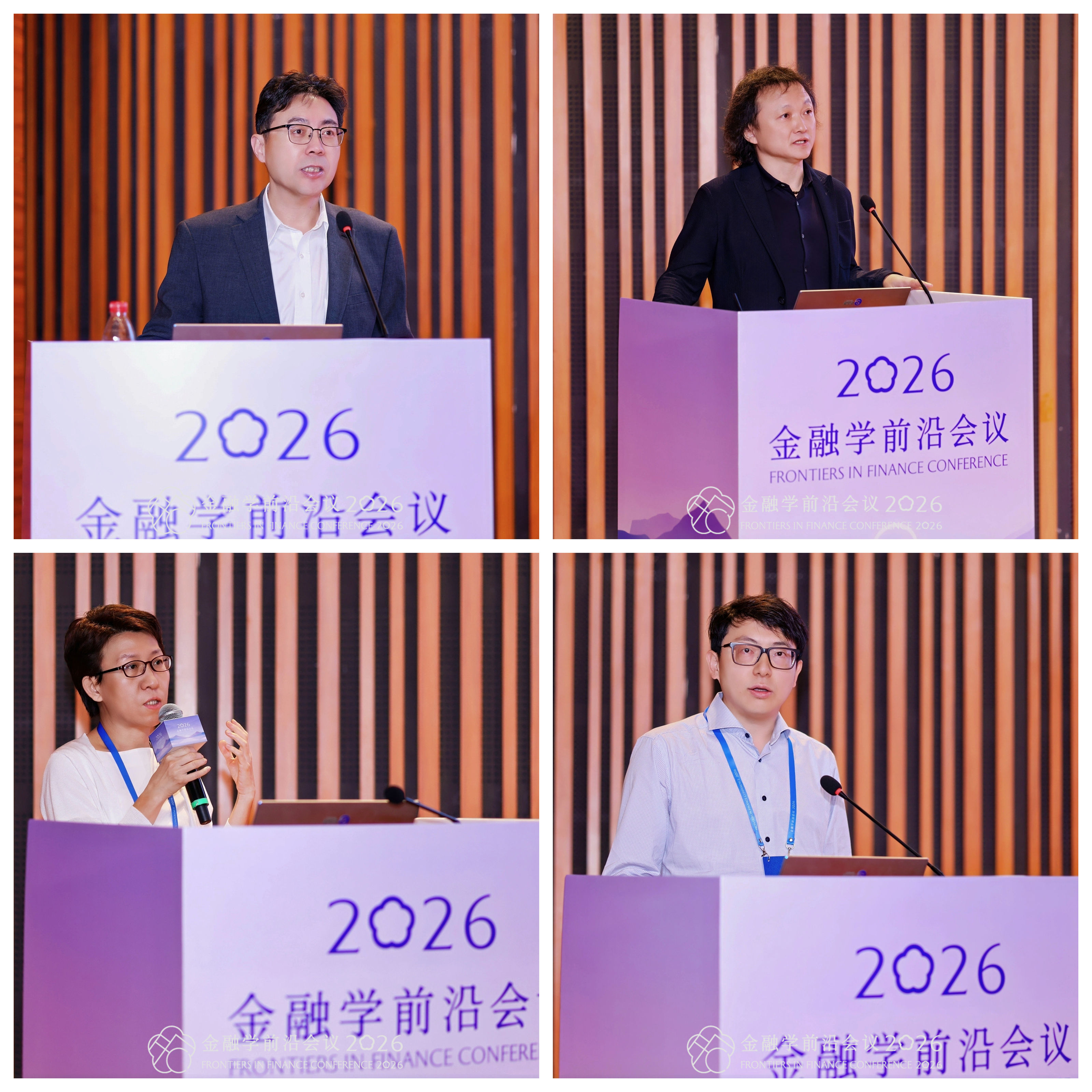
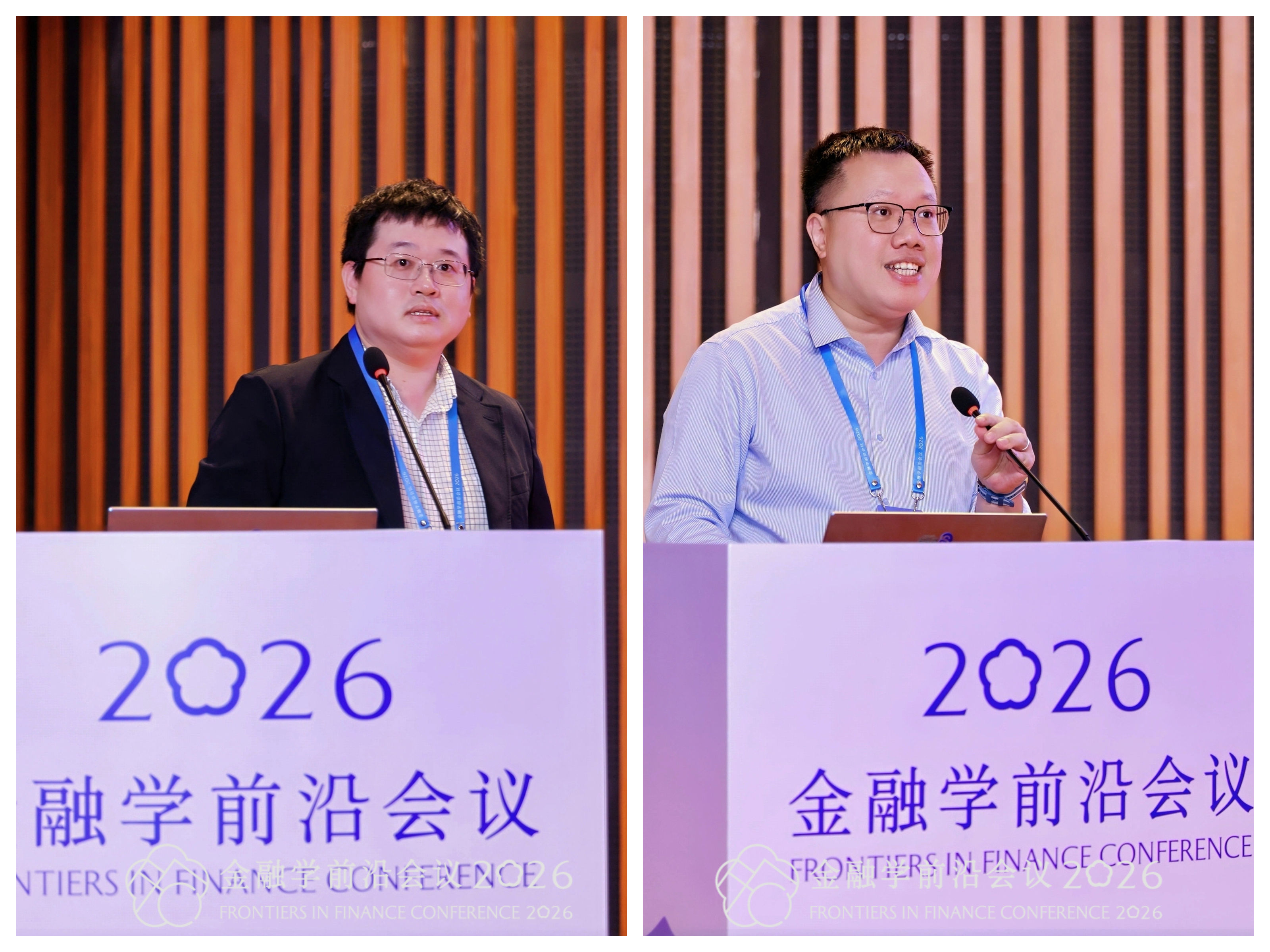
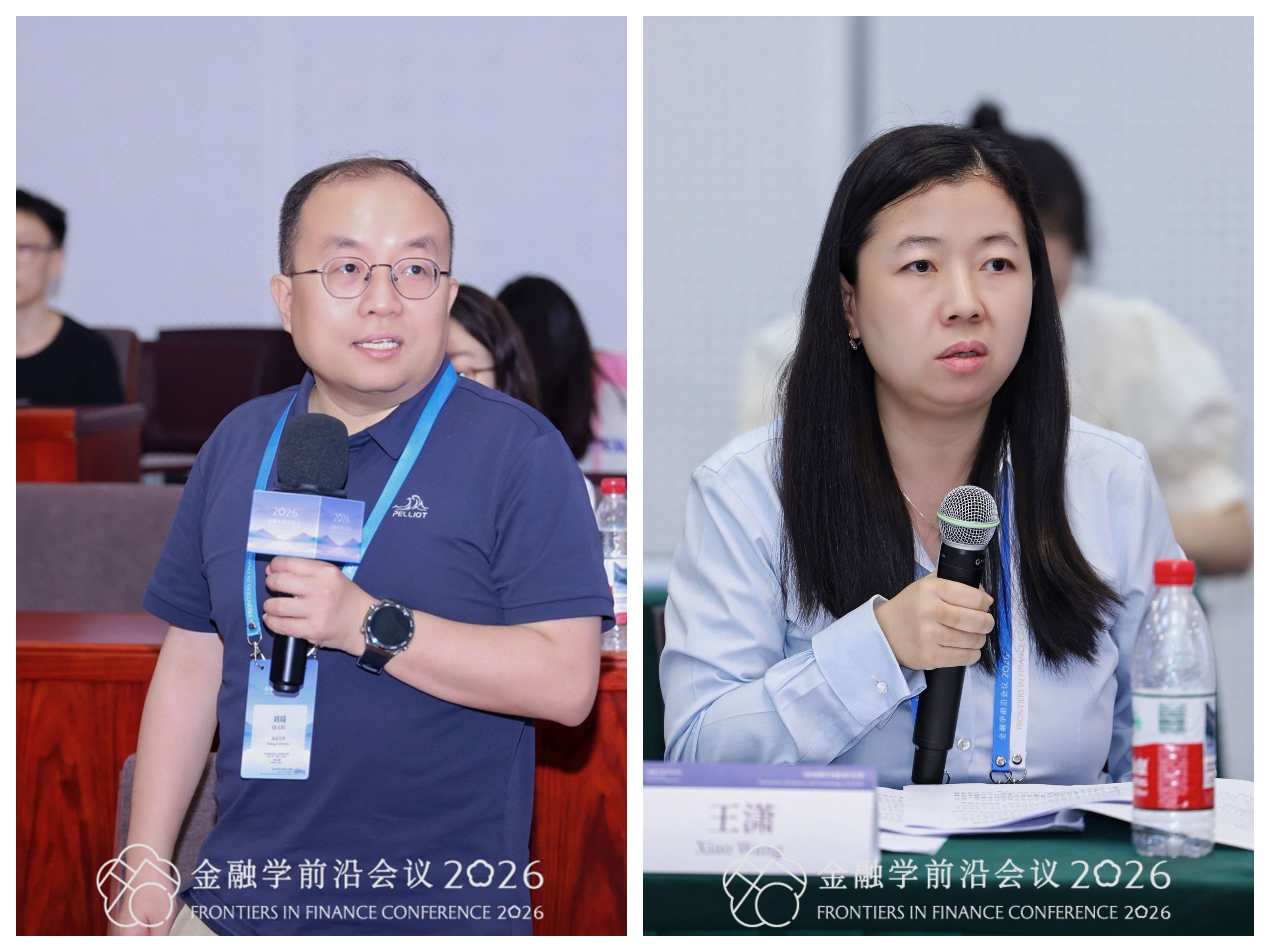
Four parallel sessions ran simultaneously, covering four mainstream research branches of finance: AI finance, asset pricing, corporate finance and capital markets. A total of 12 selected papers were presented in sequence, followed by Q&A and in-depth discussions among global attendees. The sessions were moderated by Professor Jiaquan Yao, Associate Professor Guanhao Feng (City University of Hong Kong), Professor Qi Liu (Peking University), and Professor Xiao Wang. Every session maintained a strong academic atmosphere. Presenters and participants exchanged views on model identification, empirical design, mechanism interpretation and practical application. These thorough dialogues provided valuable research references for young scholars and established a long-term communication channel for academics worldwide.

The conference launched a global open call for papers and received nearly 300 submissions. After strict review and academic evaluation by the conference committee, 12 high-quality papers were selected for presentation in parallel sessions. Taking into account on-site presentation performance, Q&A performance and comprehensive scores from reviewers, the paper Dynamic Optimization of R&D Options by Professor Ruixun Zhang (Peking University) was awarded the Conference Best Paper Award.

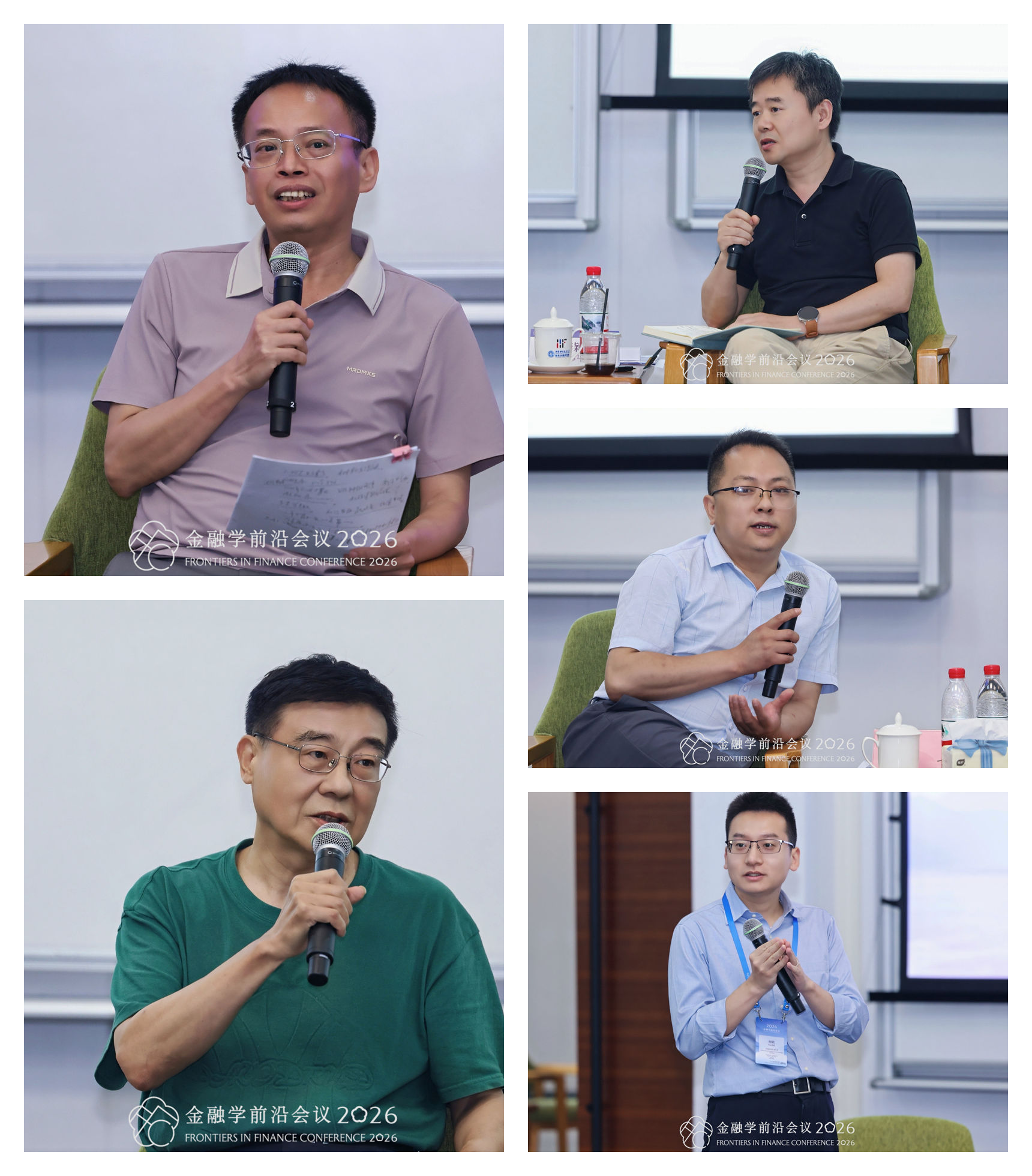
A special panel focusing on industrial and economic practices was hosted by Associate Professor Xin He. Invited speakers included Qiaogen Luo (First-Class Research Fellow, General Office of Anhui Provincial Party Committee, PhD in Economics), Hong Song (Former Chief Editor of the Theory Section of Anhui Daily, Senior Editor, Former Deputy Director & Research Fellow, Institute of Innovation and Development, Anhui University), Ying Li (Research Fellow, Institute of Urban and Rural Economics, Director of Digital Economy Research Office, Anhui Academy of Social Sciences), and Professor Li Zhou (School of Economics, Anhui University). Centered on the theme From Mid-Game Advantage to Endgame Victory: The Centennial Cyclical Pattern of Global Currency Power Shifts — Financial Power and Regional Development Practices Through a Chess Game Game-Theory Lens, the panel bridged global financial theories, national top-level strategies and local implementation practices. It further enriched the conference’s integrated academia-industry-government research framework, and offered practical ideas and theoretical support for central China to advance high-standard opening-up under the Yangtze River Delta integration strategy.
As an internationally influential academic exchange platform in finance, the Frontiers in Finance Conference consistently brings together top scholars and industry practitioners from home and abroad. It fosters in-depth dialogue between cutting-edge global financial theories and China’s economic realities, and continuously expands the scope of integrated financial research and industrial practice.
Moving forward, the International Institute of Finance will further advance open academic exchange platforms, refine its systems for finance talent cultivation and research innovation, and strive to produce high-quality research outputs rooted in China’s realities and aligned with international standards. The institute will contribute more insights and expertise to developing a Chinese path to finance and building a stronger financial nation.